Independent Living for Adults with Down Syndrome
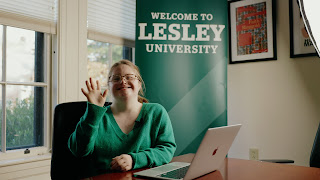
How one young woman’s story in Boston shows what’s possible when adults with disabilities are given the chance to keep learning and growing
In Boston, Massachusetts, the city is always moving.
Students hurry to class. Professionals weave through sidewalks on their way to work. Pedestrians cross busy streets with purpose. Life flows quickly in every direction.
And right in the middle of it all is Molly—a young adult with Down syndrome living independently in downtown Boston.
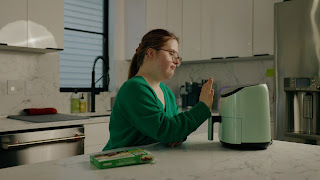
Molly is in her twenties. She lives with a roommate, walks or Ubers to work each day, shops for her own groceries, and manages daily life on her own—more than three hours away from her parents.
For many families of adults with intellectual and developmental disabilities, a life like this can feel out of reach. But Molly’s story proves something powerful:
Adults with disabilities can continue to learn, grow, and live independently—when they are given opportunity.
Breaking the Myth: Do Adults With Disabilities Stop Learning?
There is a common misconception that individuals with disabilities reach a “plateau” after high school—that growth slows or stops entirely.
Molly’s life tells a different story.
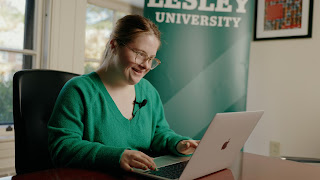
When we traveled to Boston to meet Molly, we spent time with her at work in the admissions office at Lesley University. There, she helps support new undergraduate students by completing tasks such as creating itineraries and organizing materials. Her work and her confidence in doing it well, challenges the idea that learning ends at graduation.
Progression is possible. Lifelong learning for adults with disabilities is possible.
“Molly always had a spunk,” her dad shared. “She always wanted to do everything everyone else was doing.”
Her mother reflected on how visible disabilities like Down syndrome can create unfair assumptions. “People often have preconceived ideas about what Molly can or can’t do before giving her a chance.”
What changed everything was access to the right program at the right time.
Postsecondary Programs for Adults With Down Syndrome Make Independence Possible
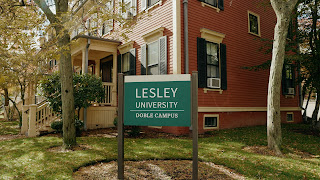
In nearby Cambridge, Massachusetts, Molly attended the Threshold Program at Lesley University—a postsecondary transition program designed for young adults with disabilities.
Programs like Threshold offer:
- Continued education after high school
- Life skills training
- Job readiness and employment support
- Individualized coaching
- Pathways to independent living for adults with disabilities
For Molly, this program was transformative.
She continued learning. She gained confidence navigating her community. She developed practical skills like managing transportation, shopping independently, and maintaining employment.
Over time, that growth led to living on her own—something many families are told may never happen.
“They gave Molly the chance to push up against boundaries,” her dad said. “Communities need to give opportunity. Give people a chance at a job, a team, or experiences we might assume they’re not capable of.”
Why Independent Living Matters for Adults With Down Syndrome
“I like being independent,” Molly said, “because it gives me a voice and things to do for myself without relying on other people watching over me.”
Independent living isn’t just about housing—it’s about self-worth and agency. It allows adults with disabilities to:
- Advocate for themselves
- Build confidence
- Participate fully in their communities
- Live meaningful, self-directed lives
These opportunities shouldn’t be rare. They should be accessible.
Why Utah Needs a Postsecondary Transition Program Like This
Molly’s dad shared why her story matters far beyond Boston.
“What we see as the opportunity for Aspen Center for Learning is that Utah needs something like this—a place after high school where adults with disabilities can thrive.”
That need is real.
Too many young adults with disabilities graduate from high school with nowhere to go next. The loss of structure, community, and growth opportunities often leads to isolation instead of independence.
Aspen Center for Learning exists to change that.
Aspen Center for Learning: A Next Step After High School
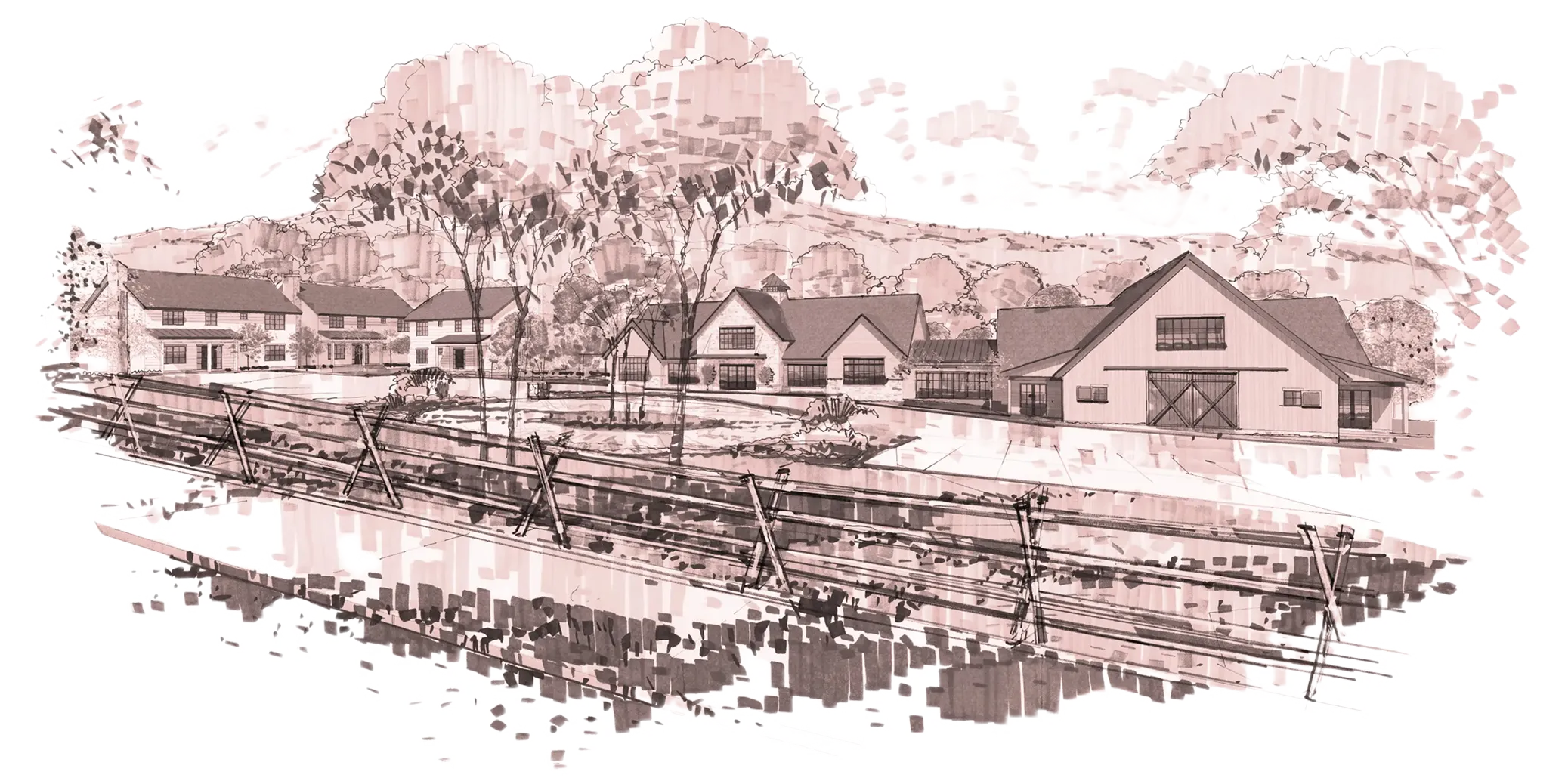
Aspen Center for Learning is being built to provide:
- A postsecondary education option for adults with disabilities
- Life skills and job training
- Community and peer connection
- Opportunities for independence and personal growth
Adults with disabilities don’t stop learning after high school. What they often lose is access.
We’ve seen what’s possible through programs like Threshold. We’ve seen it in Molly. And we believe adults in Utah deserve the same opportunities to learn, grow, and thrive.
As Molly’s mom beautifully said,
“I think your children are going to surprise you and amaze you in what they can do.”
We believe that too.
And we’re building Aspen Center for Learning so stories like Molly’s become the norm—not the exception.
Watch Molly's Story: Here
Interested in getting involved?
We are currently looking for donors and partners to help bring the Aspen Center for Learning to life. We firmly believe that this center will offer life changing opportunities for countless individuals with special needs, just like our son, Tate. We look forward to hearing from all who want to help us bring this incredible vision to life.
J.W. & Jennifer Davies


Funding Progress
Thanks to our generous donors, we've already raised $8.7 Million toward building the Aspen Center for Learning! It's an incredible start, but we still need your support to reach our goal. Donate today using the link above or contact us to explore larger involvement opportunities.